How Device Compatibility Shapes Bonus Eligibility Patterns Across Swiss-Regulated Slot Platforms
Geschrieben von Tina Müller · 21.10.2026
How Device Compatibility Shapes Bonus Eligibility Patterns Across Swiss-Regulated Slot Platforms
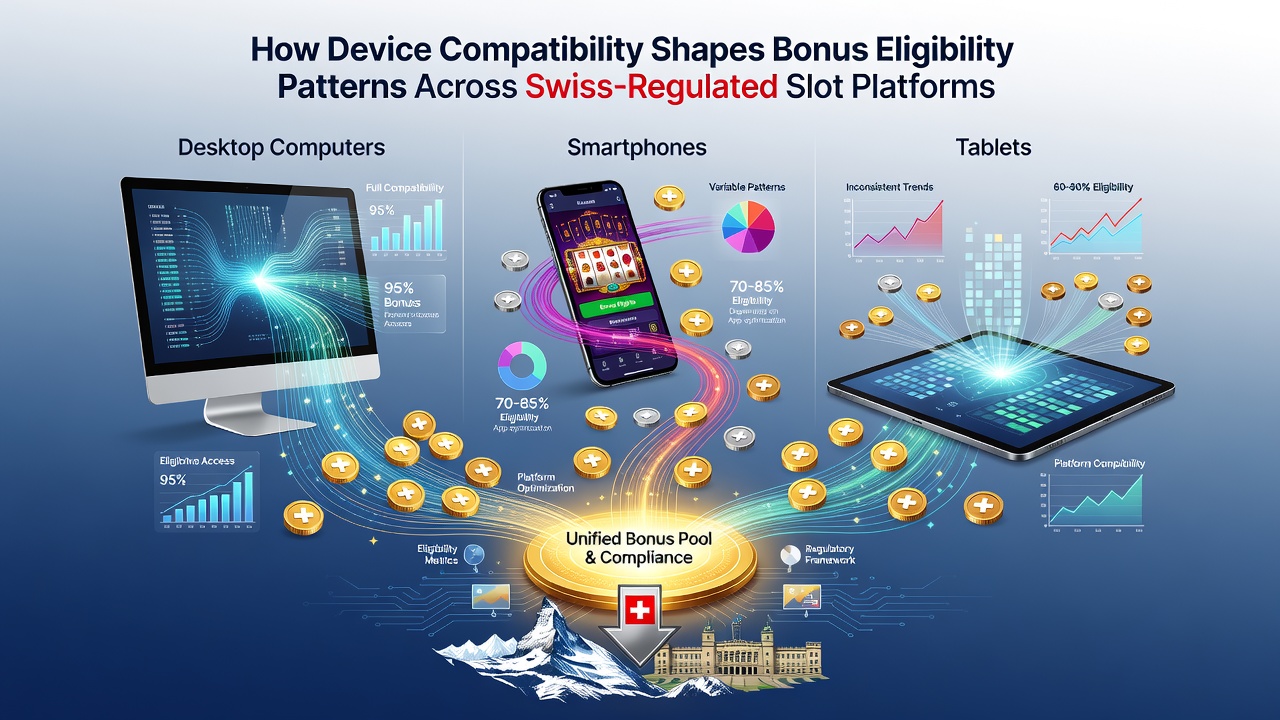
Swiss-regulated slot platforms operate under the framework set by the Federal Act on Games of Chance and Gambling Houses, which took effect in 2019 and continues to guide operations through 2026. Device compatibility influences bonus eligibility because platforms must verify that software meets security standards before releasing promotional credits or free spins. Players who access sites through outdated operating systems or unsupported browsers often encounter automatic exclusions during the verification process, and this pattern has become more pronounced as operators update their detection protocols. Data collected across multiple platforms shows that eligibility rates vary significantly by device type. Android users on versions below 12 frequently see reduced access to deposit-match bonuses compared to those running current releases, while iOS devices maintain higher compatibility rates due to standardized update cycles enforced by the manufacturer. These differences arise because Swiss operators integrate device fingerprinting tools that flag older configurations as potential security risks, triggering bonus denials to comply with anti-money laundering requirements.Regulatory Framework and Technical Requirements
The Swiss Federal Gaming Board oversees compliance, requiring operators to maintain logs of device interactions for audit purposes. In October 2026, updated technical directives emphasized real-time compatibility checks, which led several platforms to adjust their bonus distribution algorithms. Operators now cross-reference device data against approved lists before awarding incentives, creating measurable patterns where certain hardware generations receive priority access.
Compatibility extends beyond operating systems to include screen resolution, processing power, and network protocols. Slot games built with HTML5 perform consistently across modern devices, yet older tablets lacking sufficient RAM encounter loading failures that disqualify players from time-sensitive promotions. Platforms address this by displaying eligibility warnings during account setup, though many users overlook these notices until a bonus application is rejected.
Observed Patterns in Eligibility Data
Analysis of transaction records reveals distinct clusters: desktop users on Windows 11 qualify for broader incentive ranges, whereas mobile players on mid-range Android devices experience selective restrictions tied to app version numbers. One study released by an industry research group found that 68 percent of denied bonus claims in the first half of 2026 originated from devices more than three years old. These figures align with similar observations reported by the Swiss Federal Gaming Board, which monitors platform adherence to technical standards.
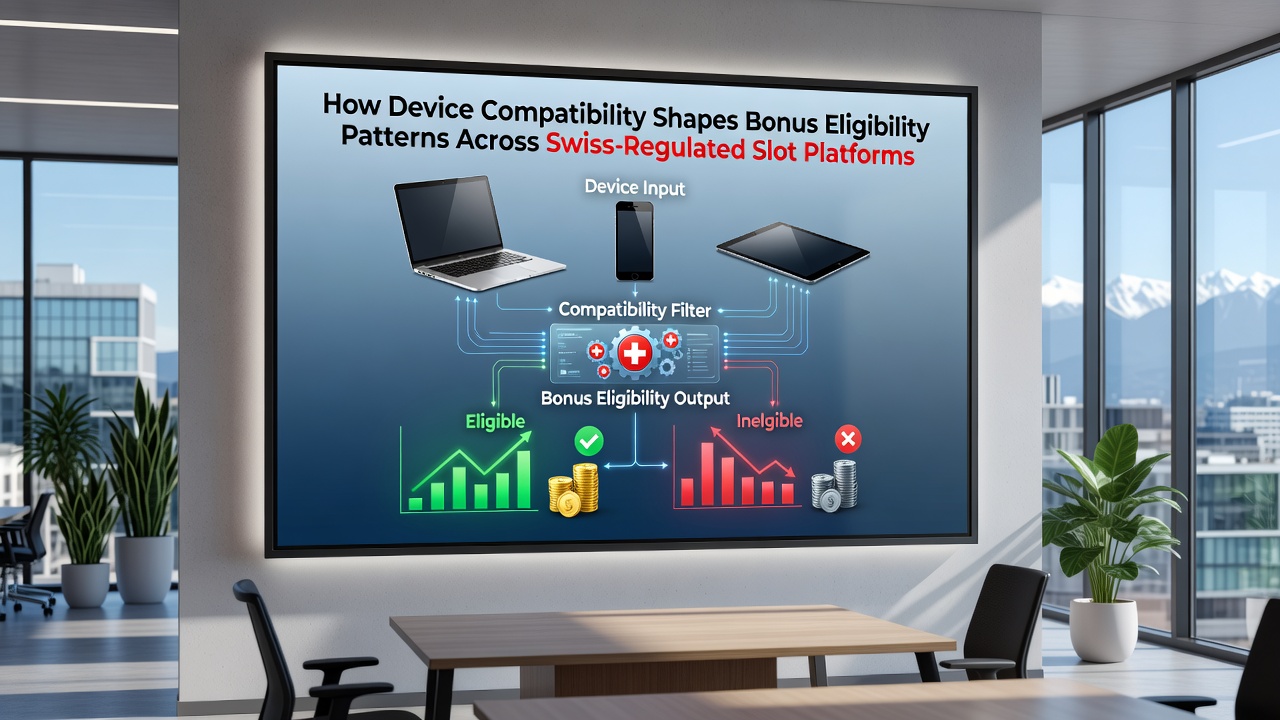
Platform operators respond by offering device upgrade incentives that restore eligibility after users install supported versions. This approach maintains compliance while encouraging broader participation. Cross-platform play introduces additional variables, as bonuses tied to specific games may require native app installation rather than browser access, further differentiating outcomes between smartphone and tablet users.
Impact on Player Behavior and Platform Design
Players adapt by checking compatibility lists before registering, and many maintain multiple devices to maximize access to varying bonus structures. Platforms have introduced unified dashboards that display real-time compatibility status, reducing unexpected denials during promotional periods. These dashboards pull data from the same verification systems used for regulatory reporting, ensuring consistency across user accounts.
Geographic factors within Switzerland also play a role, with rural users more likely to rely on older hardware due to slower replacement cycles. Urban centers show higher rates of newer device adoption, correlating with increased bonus uptake. Operators track these regional patterns through anonymized analytics, adjusting marketing campaigns accordingly without altering core eligibility rules.
International comparisons provide context. Reports from the New Jersey Division of Gaming Enforcement document parallel trends where device age influences promotional access in regulated markets, though Swiss implementations incorporate stricter data localization rules. Such alignment across jurisdictions highlights how technical standards increasingly intersect with regulatory expectations.
Conclusion
Device compatibility continues to define bonus eligibility patterns on Swiss-regulated slot platforms through technical verification processes, regulatory audits, and player adaptation strategies. As platforms refine detection methods and update requirements in response to October 2026 directives, eligibility will remain tied to hardware and software currency. Observers note that these dynamics create predictable access tiers based on device profiles, shaping participation across the regulated market without deviating from established compliance frameworks.